Japanese Past Tense: でした and ました, Plus も and と (GENKI Lesson 4)
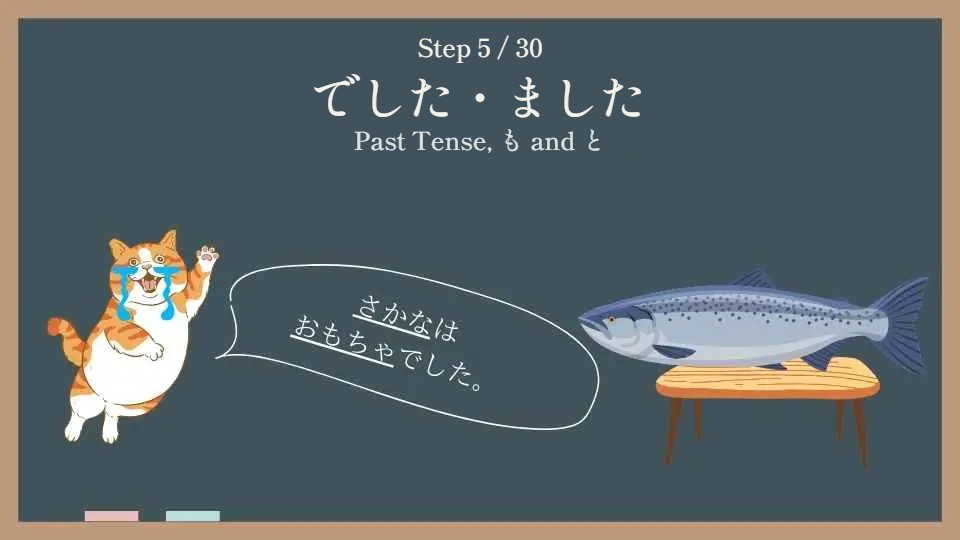
This is part 2 of GENKI Lesson 4. Now you will learn how to talk about the past: what you did yesterday, where you went last week, and what something was like. You will also learn two small but useful particles, も and と.
- Past tense of です: でした and じゃなかったです
- Past tense of verbs: ました and ませんでした
- と (and / with) and more uses of も
- Past time words: きのう, せんしゅう, きょねん …
Contents
The past tense of です
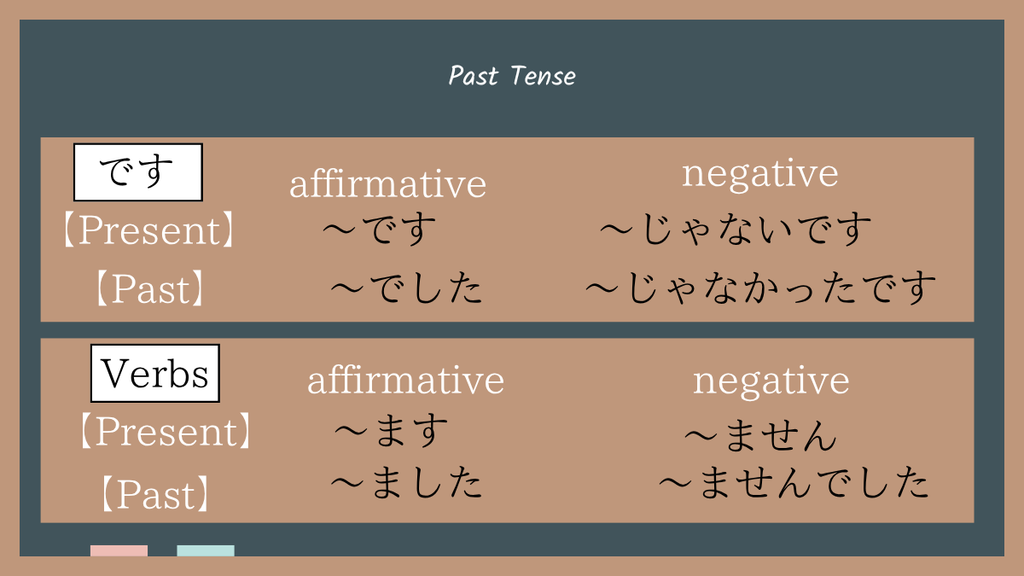
Sentences with です (“X is Y”) change like this. Only the end of the sentence changes.
| Present | Past | |
|---|---|---|
| Affirmative | がくせいですgakusei desu (is a student) | がくせいでしたgakusei deshita (was a student) |
| Negative | がくせいじゃないですgakusei ja nai desu (is not a student) | がくせいじゃなかったですgakusei ja nakatta desu (was not a student) |
You may also see じゃありませんでした. It means the same as じゃなかったです and is a little more formal.
The past tense of verbs
Start from the ます form you learned in Lesson 3. Change ます to ました for the past, and ません to ませんでした for the past negative.
| Present | Past | |
|---|---|---|
| Affirmative | たべますtabemasu (eat) | たべましたtabemashita (ate) |
| Negative | たべませんtabemasen (don’t eat) | たべませんでしたtabemasen deshita (didn’t eat) |
Past time words
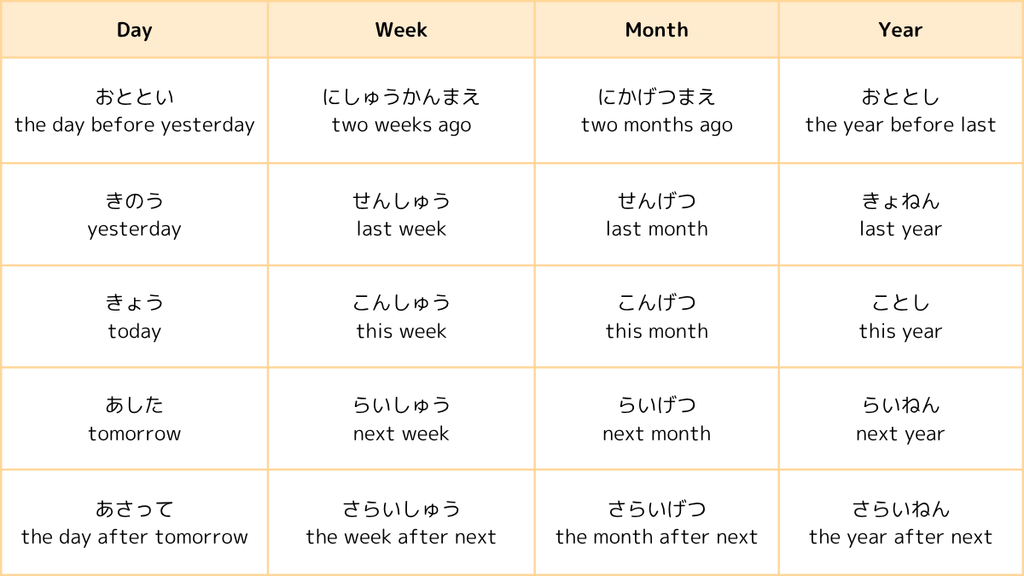
These words tell you when something happened. Like あした and きょう, they don’t take に.
| Word | Meaning |
|---|---|
| おとといototoi | the day before yesterday |
| きのうkinoo | yesterday |
| けさkesa | this morning |
| ゆうべyuube | last night |
| せんしゅうsenshuu | last week |
| せんげつsengetsu | last month |
| きょねんkyonen | last year |
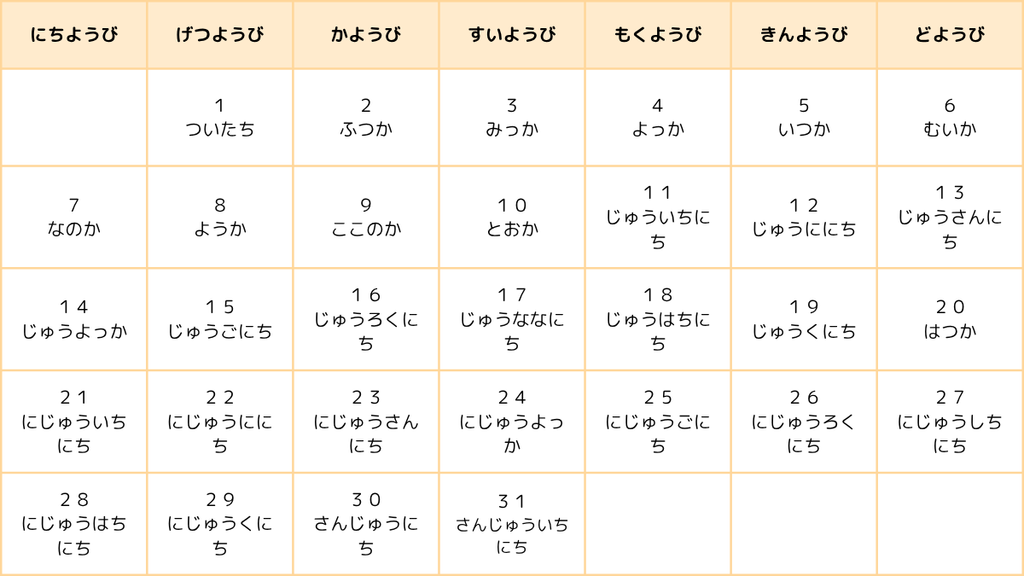
Specific times, days of the week and dates do take に: しちじに, どようびに.
Particles と and も
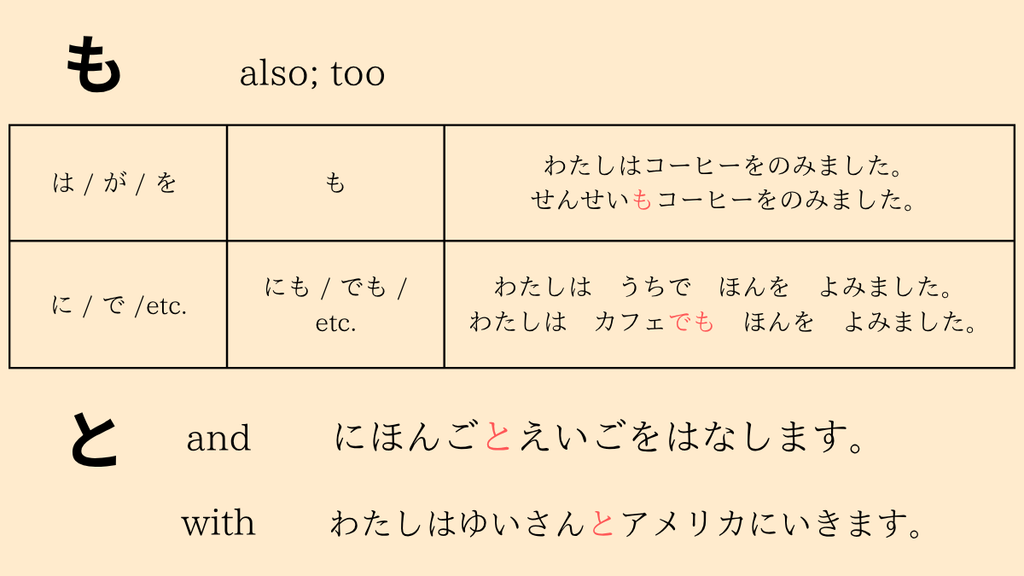
と: “and” and “with”
と connects two nouns (“A and B”). It also shows who you do something with.
と only connects nouns. You can’t use it to join two sentences like English “and.”
More about も
In Lesson 2, も replaced は. It also replaces が and を. With other particles like に and で, put も after the particle.
Final check: 10 questions
These questions mix everything from this page. Get 8 or more right, and you are ready for adjectives in GENKI Lesson 5.
Free worksheet
Want to practice writing? Download the printable worksheet for this lesson.
What’s next
- GENKI Lesson 5: い-adjectives and な-adjectives
- GENKI Lesson 4, part 1: あります・います
- Cebu travel diary: see the past tense in a real story (JLPT N4)
Practice speaking with a real teacher
The past tense is perfect for small talk. Tell a teacher about your weekend: どようびに ともだちと えいがを みました。 On italki, you can find teachers who use GENKI and book a short trial lesson.
This is an affiliate link. If you book a lesson, I may earn a small commission at no extra cost to you.